Should you shave a double coated dog? Almost never, and here is why
Every summer somebody asks us to shave a husky down to the skin so he stops suffering in the heat. It is a kind instinct, and it is the one request we will talk you out of.

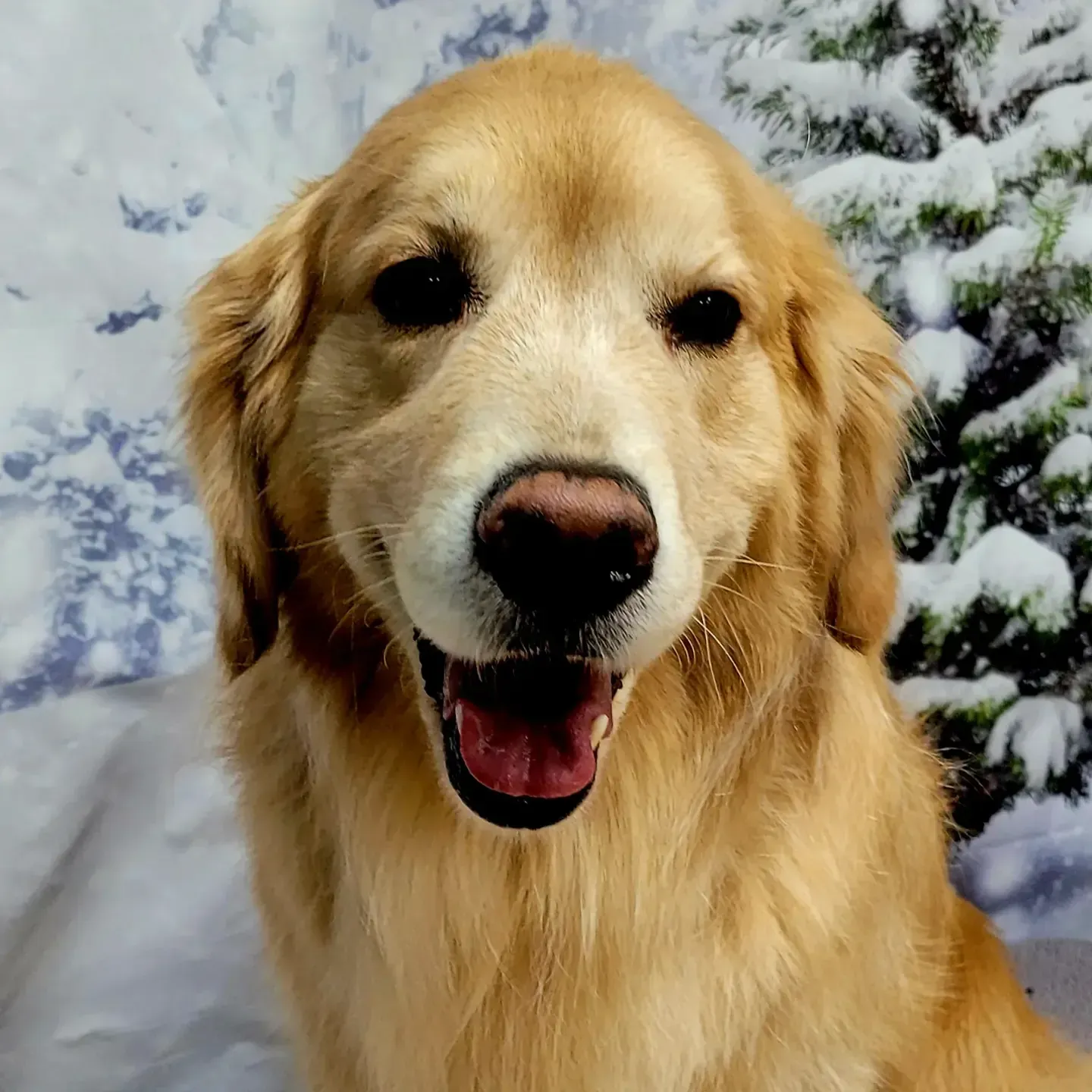
Every June somebody comes in convinced the humane thing to do is shave their husky to the skin. The reasoning makes sense if you are a human: it is 95 degrees in Lone Tree, the dog is panting, and he is wearing a fur coat. Take the coat off and he cools down. That is how it works for us, and it is not how it works for him.
What a double coat actually does
A double coated dog has two layers doing two different jobs. The undercoat is soft, dense, and traps air; the guard coat on top is longer and coarser, and it sheds water and blocks sun. Together they hold a pocket of air against the skin that stays cooler than the outside temperature in summer and warmer in winter. It is insulation in both directions, not just a winter jacket. Huskies, golden retrievers, German shepherds, Bernese, Australian shepherds, corgis, and most of the northern breeds are built this way.
When you shave that off, you have not removed a jacket. You have removed the dog's ability to regulate at all.
What goes wrong after a shave
Three things, and the last one is permanent often enough to matter.
- Sunburn and heat gain. Skin that has never seen direct sun is suddenly exposed, and dark skin under a shaved coat absorbs heat rather than reflecting it. Plenty of shaved dogs end up hotter, not cooler.
- The undercoat comes back first. Undercoat grows faster than guard hair. For months afterward the dog is wearing the insulating layer with none of the protective layer, which is the exact opposite of what you wanted.
- Sometimes it never regrows right. This is called clipper alopecia or coat funk, and it shows up most in the northern breeds. Patches come back thin, wooly, discolored, or not at all. On an older dog especially, a single shave can change the coat for the rest of its life.
Nobody can tell you in advance which dogs regrow normally and which do not, which is the real argument against doing it on a hunch.
What actually cools a double coated dog
De-shedding, and it is not a consolation prize. A proper de-shed pulls the dead undercoat out from underneath while leaving the guard coat intact, which reopens the air pocket that got choked with loose fur over the winter. A heavy blower can drop a startling volume of undercoat in one session, and the dog leaves genuinely cooler with the coat still doing its job. That is the treatment, done well, on a heavy shedder in July.
Beyond the salon, the boring advice is the advice that works: shade, water, walks early or late instead of at two in the afternoon, and a floor to lie on that is cooler than the air.
When shaving is the right call
There are real exceptions, and we will tell you when you are in one. Severe matting that has gone to the skin cannot be brushed out humanely, and at that point clipping is the kind option rather than hours of pulling on a dog who is already sore. Some medical situations call for it, and your vet will say so. A dog who genuinely cannot tolerate the brushing a long coat needs may be better off short.
What those have in common is that the coat is already failing. That is different from shaving a healthy coat in advance because summer is coming.
If you are not sure, ask before you book
Bring the dog in and let us look at the coat. We will tell you honestly whether you are looking at a de-shed, a trim, or one of the genuine exceptions, and we will tell you if we think you are about to do something you will regret in September. You can see the full grooming service, read about keeping a coat matt free between visits, or book a visit from our Lone Tree salon. We groom double coated dogs for families across Highlands Ranch, Parker, Centennial, Littleton, Castle Pines, Castle Rock, and south Aurora.
Common questions
Can you shave a double coated dog?
Physically yes, but it is the wrong call for a healthy coat. Shaving strips the guard layer that blocks sun off the skin and does not cool the dog down, because dogs shed heat by panting rather than through the skin.
What happens if you shave a double coated dog?
Skin that has never seen direct sun is suddenly exposed, the undercoat grows back faster than the guard coat so the dog spends months insulated but unprotected, and on some dogs the guard hair returns thin, wooly, or not at all. That last one is called clipper alopecia or coat funk, and nobody can predict which dogs it will happen to.
How do I know if my dog has a double coat?
Part the coat over the shoulder with your fingers and look at the base. Two distinct textures, a coarse outer layer sitting over a soft dense one, means a double coat. Huskies, golden retrievers, German shepherds, Bernese, Australian shepherds, and corgis are all built this way.
Can you shave a golden retriever?
Goldens are double coated, so the same reasoning applies. Sanitary trims, tidying the feet, and thinning the feathering behind the legs all make a real difference without touching the layer that protects the skin.
What cools a double coated dog instead of shaving?
A proper de-shed, which pulls the dead undercoat out and leaves the guard coat intact. The bath and the high-velocity dry do most of that work, which is why de-shedding goes with a bath rather than being a standalone brush appointment.