How often should you actually groom your dog?
The honest answer depends almost entirely on coat type, and Colorado’s climate shifts the timing more than most owners expect. Here’s the schedule we actually recommend.

It’s the question we’re asked more than any other, and the internet’s answer of “every four to six weeks” is only right for about a third of dogs. Grooming cadence is really a coat-type question, so let’s answer it by coat.
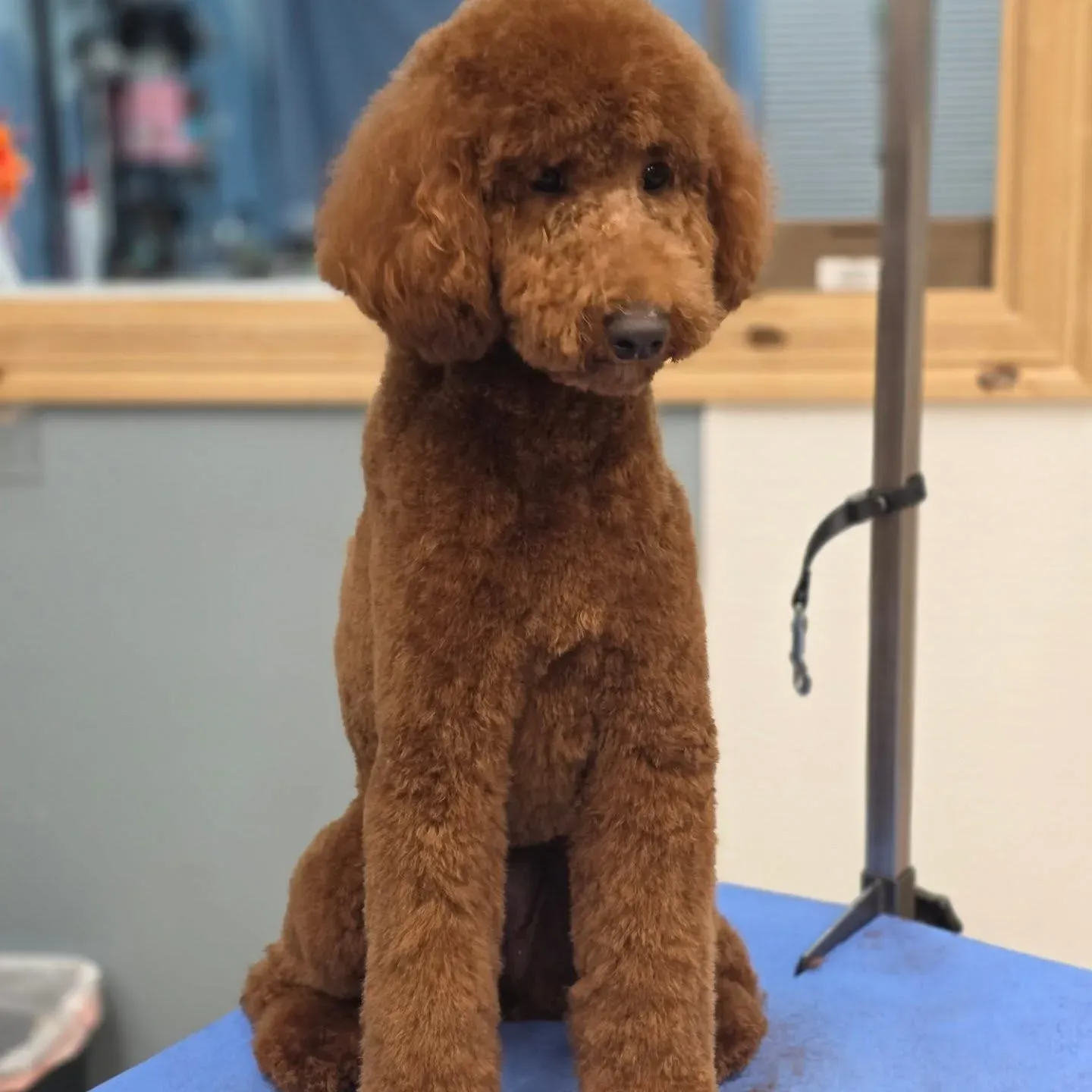
Curly, non-shedding coats (doodles, poodles, bichons)
Every four to six weeks, without exception. These coats don’t shed. They keep growing and trap every loose hair, which is exactly how a soft puppy coat becomes a solid mat against the skin in a matter of weeks. Owners are often shocked how fast a doodle mats behind the ears and in the armpits. Stretch past six weeks and you’re usually choosing between a painful de-matting session or a shave-down. Regular visits are cheaper, kinder, and keep the coat you actually paid for.
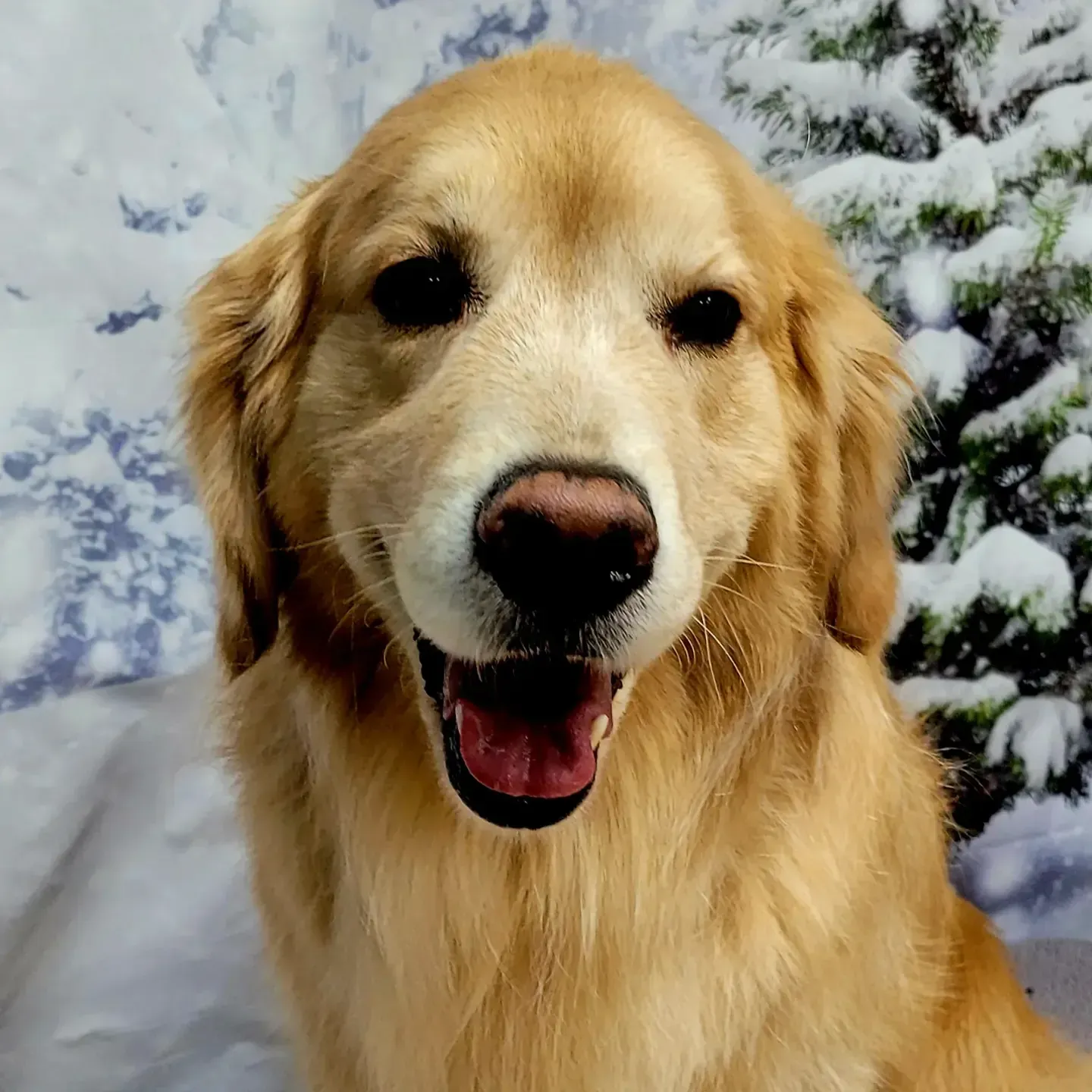
Double-coated breeds (huskies, shepherds, Bernese, goldens)
Every eight to twelve weeks, with a heavier de-shedding treatment in spring and fall when they blow their coat. One important thing for Colorado dogs: please don’t shave a healthy double coat to “keep them cool.” That coat insulates against heat as well as cold, and shaving it can permanently change how it grows back. What these dogs need is a professional de-shed and a high-velocity blow-out to pull the dead undercoat, which is precisely the step a rushed groom skips.
Short, smooth coats (labs, boxers, beagles)
Every six to eight weeks for a bath, nails, ears, and a de-shed. They look low-maintenance, but short-coated dogs still shed heavily and still need their nails kept back. Long nails change how a dog stands and, over time, stress the joints.
The Colorado asterisk
Our dry, sunny Front Range climate does two things to coats. It dries out skin, so conditioning and non-harsh product matter more here than in humid climates. It also brings a long trail season of foxtails, cheatgrass, and burrs from roughly May through October. Through those months, a thorough brush-out isn’t cosmetic; it’s how we catch a foxtail before it burrows and becomes a vet bill. If most of your dog’s outdoor time happens inside a fence, our guides to the dog parks in Parker and the dog parks in Highlands Ranch cover what to check for when you get home.
The real answer, of course, is that your dog is not a chart. At the first visit your groomer will look at the actual coat, skin, and lifestyle and give you a cadence built for your dog, and then hold the same appointment so you never have to think about it again.
Common questions
How often should you groom your dog?
It depends almost entirely on coat type. Curly, non-shedding coats need a groom every four to six weeks, double coats every eight to twelve, and short smooth coats every six to eight weeks for a bath, nails, ears, and a de-shed.
How often should a doodle be groomed?
Every four to six weeks, without stretching it. Doodle coats do not shed, so they hold on to every loose hair and mat against the skin, and past six weeks the choice is usually a long de-matting session or a shave-down.
How often do double-coated dogs need grooming?
Every eight to twelve weeks, with a heavier de-shed in spring and fall when they blow their coat. What they need is a proper bath and blow-out to pull the dead undercoat, not a shave.
Does Colorado weather change how often to groom?
In two ways. The dry Front Range air is hard on skin, so conditioning and non-harsh product matter more here than in humid climates, and the trail season from roughly May through October brings foxtails and burrs that a thorough brush-out catches before they burrow.
What happens if you wait too long between grooms?
Mats form at the skin, tighten, and stop the coat from being brushed out at all. Once a coat has pelted, the kind option is usually a shorter cut than you wanted, and the length you spent months growing is gone.